Toi et Moi: The Beauty of “You and Me”
The phrase “Toi et Moi”, French for “You and Me,” carries a simple yet profound meaning that transcends language and culture. It evokes intimacy, connection, and the idea of togetherness — whether in romance, friendship, or partnership. Over time, “Toi et Moi” has become a beloved expression in art, literature, music, and everyday conversation, symbolizing the bond between two people.
The Literal and Emotional Meaning
Literally, “Toi et Moi” breaks down into “toi”, meaning “you” (informal singular), and “moi”, meaning “me.” Unlike the English phrase, which separates “you” and “me” into distinct subjects, the French version places them side by side, suggesting equality and unity. It’s a phrase often whispered between lovers, expressing a shared experience that belongs solely to the two individuals involved.
Emotionally, “Toi et Moi” embodies the essence of connection. It speaks to the moments when two people feel inseparable, as if the rest of the world fades away. Whether it’s the quiet companionship of lifelong friends or the passionate intensity of romantic partners, “Toi et Moi” encapsulates the special world created by two people who understand and support each other.
Toi et Moi in Literature and Poetry
French literature and poetry have long celebrated the theme of “you and me.” Writers like Paul Éluard and Guillaume Apollinaire often used variations of “Toi et Moi” to explore love, longing, and companionship. The phrase evokes intimacy without needing elaborate explanation, making it a powerful literary device.
In romantic poetry, “Toi et Moi” often signifies a secret universe shared by two souls. It is used to describe moments where the speaker feels that their identity is intertwined with another’s — a fusion of lives that defies separation. This simplicity and depth make the phrase timeless.
Toi et Moi in Music and Film
The phrase has also inspired countless songs and films. French chanson and pop music frequently incorporate “Toi et Moi” in their lyrics to capture the essence of romantic relationships. For example, the famous French singer Charles Aznavour, among others, has used it to express heartfelt emotions through melody.
In cinema, “Toi et Moi” is often used as a title or motif to explore romantic plots. The phrase instantly signals the central theme of connection and love between two protagonists, inviting the audience to immerse themselves in the story of “you and me.”
Fashion and Popular Culture
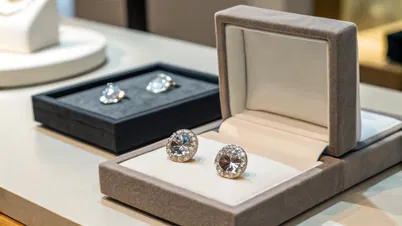
Beyond the arts, “Toi et Moi” has found its place in fashion and design, particularly in jewelry. The “Toi et Moi” ring, which features two stones set side by side, symbolizes two souls joined together. This style of ring became popular in the 18th and 19th centuries and remains a classic choice for engagement rings and romantic gifts, representing the bond of partnership.
In everyday culture, the phrase is often used in greeting cards, tattoos, and gifts, signifying a promise of closeness and affection. Its universal appeal lies in the simplicity of the concept — a celebration of “us” over “me” or “you” alone.
The Universality of “You and Me”
What makes “Toi et Moi” special is its universality. While rooted in French language and culture, the idea of two people connected on a deep level is something every culture understands. In English, “you and me” shares the same warmth and intimacy, but the French phrase often carries an additional poetic flair.
Whether spoken softly in a quiet moment or boldly declared in song, “Toi et Moi” captures the magic that happens when two people come together. It reminds us of the importance of relationships, man made diamonds, companionship, and love in human life.
Conclusion
“Toi et Moi” is much more than just words. It is a symbol of unity, love, and connection that resonates across languages and cultures. From poetry to music, fashion to film, this phrase continues to inspire and remind us of the beauty found in the bond between two people. In every “you and me,” there’s a story waiting to be told — one of closeness, understanding, and the timeless dance of togetherness.