Toi et Moi: The Jewellery Trend That’s Quietly Stealing Hearts

toi et moi
I’ll be honest — I wasn’t expecting to fall in love with a jewellery trend. I spend half my life writing about what’s “in” and what’s “next,” and most things, let’s face it, tend to come and go like Sydney’s weather in spring. But when I stumbled across the phrase toi et moi — French for “you and me” — it wasn’t just another passing style note. There was something timeless about it, something quietly emotional that lingered.
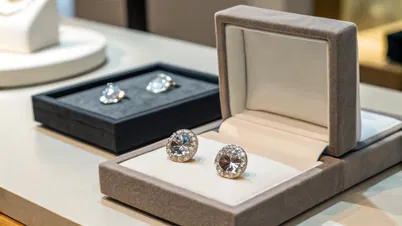
If you’ve seen those double-stone rings making the rounds on social media, often with one gem slightly larger or contrasting in colour, that’s the toi et moi. It’s not new. In fact, it’s a piece of design history — a love story told through gemstones.
A Tale of Two Stones (and Two Souls)
The toi et moi ring first gained fame in 1796 when Napoleon Bonaparte proposed to Joséphine de Beauharnais with one. The design symbolised two souls intertwined — each stone representing one half of a pair. It was romantic, sentimental, and deeply personal — everything modern jewellery often forgets to be.
And yet, here we are again, more than two centuries later, obsessed all over again. Only this time, the designs are sleeker, more minimalist, and often created with man made diamonds rather than mined ones. (If you’re not across them yet, you might want to check out man made diamonds — they’re virtually identical to natural diamonds, just grown in a lab, and far kinder to both wallet and planet.)
It’s funny how trends circle back. But this one feels less like fashion and more like rediscovery — as though the world’s finally caught up to the emotional intelligence of that original idea: two stones, two stories, one shared life.
Why Toi et Moi Rings Feel So Personal
There’s something strangely intimate about the toi et moi design. It’s not a ring that screams for attention. Instead, it invites curiosity — you look closer, you notice the contrast between the stones, and before long you’re wondering what they mean.
A friend of mine recently got engaged with a toi et moi ring featuring a pear-shaped sapphire and an oval diamond. When I asked about it, she said, “It’s him and me. The sapphire’s me — grounded, moody — and the diamond’s him — sharp, bright, reliable.” I thought that was beautiful.
Unlike the traditional solitaire, which places emphasis on one central gem, the toi et moi celebrates connection — two equals, side by side. It’s poetic in a way that modern love stories often aren’t.
The Sustainable Side of Romance
Now, you might not know this, but the rise of lab-grown or man made diamonds has completely changed how we think about fine jewellery. I was sceptical at first — as many people are — assuming they were “fake” or somehow less real. But here’s the truth: they’re chemically and optically identical to mined diamonds. The only real difference lies in where they come from.
And that’s where the magic happens. Instead of being extracted from deep within the earth — often under ethically murky circumstances — these stones are grown using cutting-edge technology that replicates the natural diamond-growing process. It’s cleaner, more transparent, and often up to 40% cheaper. Which means more people can afford to own something beautiful, guilt-free.
When combined with the toi et moi design, there’s a sort of modern-meets-meaningful vibe that feels perfectly aligned with where we are as a culture. We want love stories that are authentic. We want beauty that doesn’t come at a cost.
A Modern Spin on a Classic Symbol
Jewellery design has come a long way since Napoleon’s day. The toi et moi rings of 2025 are anything but traditional. Some pair emeralds with champagne diamonds; others mix cuts — say, a marquise beside a round brilliant. The asymmetry adds personality, while the twin-stone design keeps the romance alive.
One of my favourite discoveries was the toi et moi collection from Novita Diamonds. Their designs feel like a modern love letter — understated yet striking, perfect for couples who value both tradition and individuality. What I love most is how they treat the toi et moi concept not as a trend, but as an ongoing conversation between design, ethics, and emotion.
There’s something empowering about choosing a ring that means something beyond sparkle. Whether it’s to mark an engagement, a friendship, or even self-love, the toi et moi feels symbolic in all the right ways.
The Rise of Sentimental Luxury
In recent years, “quiet luxury” has been the buzzword — that understated elegance that doesn’t need logos to speak volumes. The toi et moi fits perfectly into that movement. It’s not flashy, yet it feels intimate, like a secret only two people share.
You’ll often find modern jewellers using mismatched gems — one clear, one coloured; one vintage cut, one modern — to express duality. It’s a design language that feels deeply personal, almost bespoke by default. Every pairing tells a slightly different story.
And that’s what’s fascinating. For all the sparkle and craftsmanship, what people connect with isn’t the price tag — it’s the meaning. The toi et moi isn’t just worn; it’s lived in, carried like a memory you can touch.
What’s Driving the Comeback?
You could say it’s celebrity influence — after all, Ariana Grande’s engagement ring was a toi et moi featuring a pearl and diamond. Or you could credit the surge in social media aesthetics: asymmetry, storytelling, individuality. But honestly, I think there’s more to it.
We’re living in an age of emotional authenticity. After years of minimalism and mass production, people are craving things that feel genuine and handmade, even if they’re not literally crafted by hand. A toi et moi ring fits right into that mindset — elegant, meaningful, just a little imperfect.
And perhaps that’s why it’s resonating so strongly. It’s not just a style; it’s a symbol for how we see relationships now: balanced, open, and ever-evolving.
From Vintage Lovers to Modern Minimalists
You’ll find toi et moi rings popping up in both vintage boutiques and sleek online jewellery stores. Some evoke that antique French aesthetic — ornate gold settings, old European cuts — while others lean toward sharp, contemporary lines that feel almost architectural.
That versatility is part of its charm. It doesn’t matter if your aesthetic is boho, corporate, or coastal chic — there’s a version that works. Some wear them stacked with plain gold bands; others let the twin stones stand alone. Either way, it’s a style that quietly draws people in rather than shouting for attention.
Why Toi et Moi Rings Feel Right for Right Now
In a world where everything feels rushed — news cycles, fast fashion, even dating apps — the toi et moi offers something rare: a sense of permanence. It’s slow, thoughtful, rooted in meaning.
Maybe that’s why so many Australians are turning toward designs that feel both conscious and emotional. There’s growing awareness around sustainability, yes, but also around symbolism. We’re no longer just buying jewellery to show status; we’re buying it to tell stories.
And as someone who’s written about everything from luxury watches to handmade ceramics, I can tell you — storytelling never goes out of style.
The Takeaway: A Love Story That Keeps Evolving
If I had to describe the toi et moi in one word, it’d be “balance.” It’s the perfect blend of past and present, of tradition and innovation. Whether it’s two diamonds, or a diamond and a sapphire, or even two lab-grown stones from completely different origins — it’s always about connection.
That’s what makes it special.
When you wear one, you’re not just wearing a piece of jewellery. You’re wearing a reminder that love — romantic, platonic, or self-directed — is always about two forces meeting in harmony.
And maybe that’s the real reason toi et moi rings are having a moment. In a world that’s constantly shifting, it’s comforting to hold onto something that represents togetherness — however you define it.
So, if you ever find yourself browsing jewellers and see a toi et moi piece glimmering under the glass, take a moment. Look at those two stones, sitting side by side. They’re not competing. They’re coexisting.