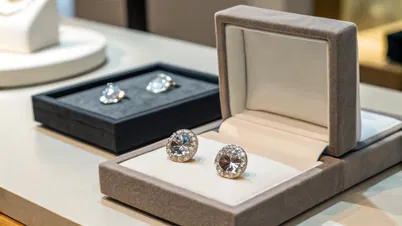
Understanding Loose Lab-Created Diamonds: A Modern Approach to Ethical Luxury

In the world of fine jewelry, diamonds have always held a special place. Representing love, commitment, and timeless elegance, diamonds have captivated humanity for centuries. Traditionally, these precious stones came from deep within the earth, mined at great cost to both the environment and human labor. However, in recent years, loose lab created diamonds—also known as lab-made diamonds—have emerged as a revolutionary alternative, offering identical beauty and quality while promoting sustainability and ethical sourcing.
What Are Lab-Created Diamonds?
Lab-created diamonds are diamonds that are grown in a controlled laboratory environment rather than being extracted from the earth. Using advanced technology, scientists replicate the natural conditions under which diamonds form over millions of years. There are two primary methods for creating lab made diamonds:
- High Pressure High Temperature (HPHT): This method mimics the intense pressure and heat that naturally occur deep within the Earth. Carbon is subjected to extreme pressure and temperature, forming a diamond crystal over several weeks.
- Chemical Vapor Deposition (CVD): In this method, carbon-rich gas is deposited onto a substrate layer by layer, allowing a diamond crystal to grow. CVD enables more precise control over the diamond’s characteristics, including color and clarity.
Despite being made in a laboratory, these lab made diamonds are chemically, physically, and optically identical to natural diamonds. They have the same hardness, brilliance, and sparkle, making them indistinguishable from mined diamonds without specialized testing.
The Appeal of Loose Lab-Created Diamonds
One of the key trends in modern jewelry is purchasing lab made diamonds, which allows buyers to select a stone based on precise specifications before setting it in a ring, pendant, or other jewelry piece. loose lab created diamonds offer several advantages:
1. Cost-Effectiveness
Lab-grown diamonds are generally 20% to 40% less expensive than their mined counterparts. This price difference allows buyers to invest in a larger or higher-quality diamond without exceeding their budget. For example, a 1-carat lab-created diamond may cost significantly less than a natural diamond of the same carat, color, and clarity.
2. Ethical and Sustainable
Mining natural diamonds can have severe environmental impacts, including deforestation, soil erosion, and water pollution. Additionally, some diamonds are linked to unethical labor practices. In contrast, lab-created diamonds are ethically sourced and environmentally friendly, requiring minimal mining and reducing carbon footprints. They are the ideal choice for eco-conscious buyers who want luxury without compromise.
3. Wide Selection and Customization
Buying a loose lab diamond allows buyers to select exact specifications. You can choose the carat, cut, color, and clarity to meet your precise preferences. Because lab made diamonds are created under controlled conditions, there is often a wider range of flawless stones available than in natural diamond inventories.
4. Transparency and Certification
Reputable sellers of lab-created diamonds provide certification from respected gemological laboratories, such as GIA (Gemological Institute of America) or IGI (International Gemological Institute). These certificates verify the diamond’s characteristics, including carat weight, color, clarity, and cut quality. This transparency ensures buyers know exactly what they are purchasing.
Comparing Lab-Created Diamonds and Natural Diamonds
Understanding the differences between lab-created and natural diamonds is crucial when buying loose stones:
| Feature | Lab-Created Diamond | Natural Diamond |
|---|---|---|
| Origin | Grown in a lab under controlled conditions | Formed naturally in the Earth over millions of years |
| Cost | 20%-40% lower than natural diamonds | More expensive due to rarity and mining costs |
| Environmental Impact | Minimal, eco-friendly production | Significant, involves mining and potential ecosystem disruption |
| Quality | Chemically identical to natural diamonds | Naturally formed, may have inclusions |
| Availability | Wide range of high-quality stones | Limited, especially flawless or rare colors |
While lab-created diamonds match natural diamonds in every measurable property, their accessibility and ethical advantages make them an increasingly popular choice.
Choosing the Right Loose Lab-Created Diamond
When selecting a loose lab diamond, consider the 4Cs—Carat, Cut, Color, and Clarity—just as you would with a natural diamond:
- Carat: Refers to the weight of the diamond. lab made diamonds are rarer and more expensive, but lab-created diamonds allow you to choose bigger stones at a lower price.
- Cut: Determines how well the diamond reflects light. Excellent cuts maximize sparkle, brilliance, and fire.
- Color: Lab-grown diamonds are available in a range of colors from D (colorless) to Z (light yellow or brown). Colorless diamonds are the most desirable for traditional settings.
- Clarity: Measures the number and visibility of inclusions (internal flaws) and blemishes (surface flaws). Lab-created diamonds often offer higher clarity at lower prices than natural diamonds.
Additionally, consider the shape of the diamond. Popular shapes include round, princess, cushion, oval, emerald, and pear. Loose lab diamonds offer flexibility for customizing your jewelry design.
Lab-Created Diamonds and Engagement Rings
One of the most significant trends in jewelry is the use of lab-created diamonds in engagement rings. Couples increasingly prefer lab diamonds due to their ethical and sustainable nature. A loose lab diamond can be selected for the ring setting, ensuring a perfect match to personal taste and budget. With the ability to choose a larger or higher-quality stone for the same cost as a smaller natural diamond, lab made diamonds offer exceptional value.
Caring for Lab-Created Diamonds
Lab-grown diamonds require the same care as natural diamonds:
- Clean regularly using mild soap and warm water, and avoid harsh chemicals.
- Store separately to prevent scratching other jewelry.
- Periodically inspect settings in rings to ensure stones remain secure.
Because they are just as hard as natural diamonds (10 on the Mohs scale), they are highly durable and suitable for daily wear.
The Future of Loose Lab-Created Diamonds
As technology advances, lab-created diamonds are expected to become even more popular. They appeal to a generation of buyers who value sustainability, transparency, and affordability. Jewelry designers are increasingly incorporating loose lab diamonds into rings, earrings, pendants, and bracelets, reflecting a shift toward ethical luxury.
Retailers are also expanding their inventories, offering online and in-store options for loose stones with certificates verifying authenticity and quality. With growing awareness of their advantages, lab-grown diamonds are poised to redefine the jewelry market, making ethical, high-quality diamonds accessible to more people than ever before.
Conclusion
loose lab created diamonds represent the perfect fusion of beauty, value, and responsibility. They provide the same sparkle, hardness, and allure as natural diamonds but with greater affordability, ethical sourcing, and environmental benefits. By selecting a loose lab diamond, buyers gain freedom in customization, transparency in quality, and confidence in ethical choices. Whether for an engagement ring, a statement piece, or a timeless investment, lab-grown diamonds are a modern solution that honors both tradition and progress.
In the end, choosing a loose lab-created diamond is not just a choice of luxury—it’s a choice of conscience. It symbolizes love, elegance, and sustainability in one brilliant package.