Understanding the 4Cs of Lab-Grown Diamonds: A Guide to Man-Made Brilliance
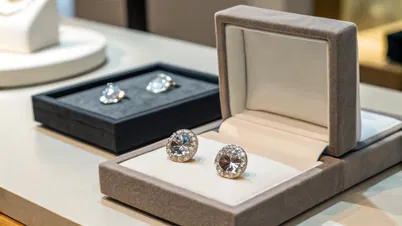
Diamonds have long symbolized love, commitment, and luxury. But in recent years, a sparkling alternative has been steadily gaining ground: lab grown diamonds 4Cs . Also known as man-made or synthetic diamonds, these gemstones are created in laboratories under highly controlled conditions that mimic the natural diamond-forming environment beneath the earth. While they share the same physical, chemical, and optical properties as mined diamonds, lab-grown diamonds offer a more sustainable and often more affordable option.
For anyone exploring the world of synthetic diamonds, understanding their quality is essential. That’s where the 4Cs—cut, color, clarity, and carat weight—come in. Just like their natural counterparts, lab-grown diamonds are graded using these universally recognized criteria. In this article, we’ll break down each of the 4Cs and explore how they apply to lab-created stones, helping you make an informed choice whether you’re buying an engagement ring or a stunning pair of earrings.
The Rise of Man-Made Diamonds
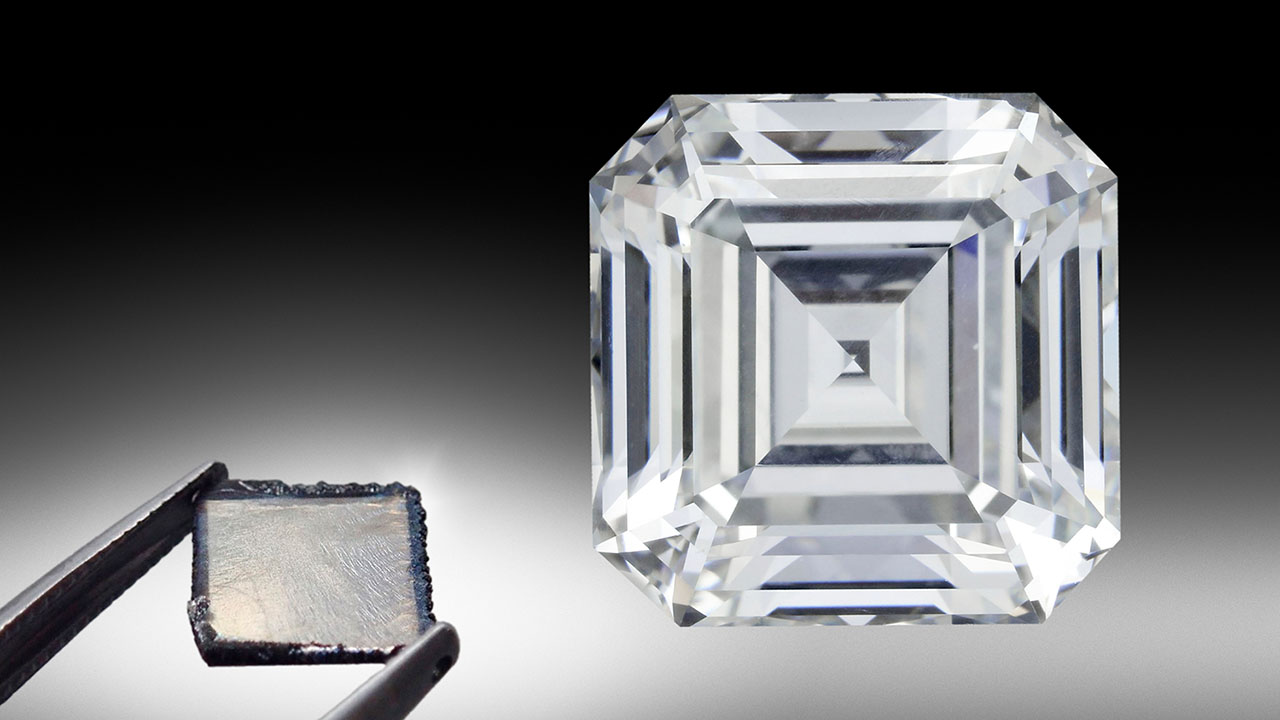
Before diving into the specifics of diamond grading, it’s helpful to understand what makes lab-created diamonds unique. Produced using either High Pressure High Temperature (HPHT) or Chemical Vapor Deposition (CVD) methods, these stones are formed in a matter of weeks rather than billions of years. They are then cut and polished just like natural diamonds.
The demand for these eco-friendly gems has surged in recent years, particularly among environmentally conscious and ethically minded consumers. With no mining involved, lab-grown diamonds significantly reduce environmental degradation and human rights concerns. Add to that the more accessible price point—often 30–40% less than mined diamonds of comparable quality—and it’s clear why more people are turning to these brilliant alternatives.
Understanding the 4Cs of Lab-Grown Diamonds
Let’s take a closer look at the 4Cs and how they relate to lab-grown stones. These standards are set by the Gemological Institute of America (GIA) and other reputable labs, and they apply equally to synthetic diamonds.
1. Cut: The Sparkle Factor
The cut of a diamond refers not to its shape (like round, princess, or oval) but to how well it has been crafted to reflect light. A well-cut diamond will sparkle and shine brilliantly, whereas a poorly cut one may appear dull or muted.
This principle holds true for lab-created diamonds as well. A skilled cutter will maximize the stone’s brilliance by carefully proportioning facets and angles. Whether it’s a man-made or natural diamond, a top-grade cut can dramatically enhance a stone’s visual appeal.
In fact, cut is often considered the most important of the 4Cs because even a diamond with perfect clarity and color can appear lackluster if the cut is poor.
2. Color: From D to Z
Diamonds are graded on a scale from D (colorless) to Z (light yellow or brown). Most consumers prefer near-colorless stones in the D to J range, which tend to appear white and brilliant when set in jewelry.
Lab-grown diamonds typically exhibit excellent color quality. In many cases, the controlled production process results in stones that are virtually colorless or only faintly tinted. However, it’s also common to find lab-created diamonds in fancy colors like pink, blue, or yellow—tones that are extremely rare and costly in mined diamonds.
These colorful stones are often produced by adding trace elements during the growth phase, creating vibrant hues that make each diamond unique.
3. Clarity: The Internal World of a Diamond
Clarity measures the presence of inclusions (internal flaws) and blemishes (surface flaws). The scale ranges from Flawless (FL) to Included (I1, I2, I3).
Since lab-grown diamonds form under laboratory conditions, they often exhibit fewer inclusions than natural stones. But they are not flawless by default. Inclusions may occur due to metallic particles used in the HPHT process or other growth-related factors.
Still, many man-made diamonds rank high on the clarity scale, offering excellent visual purity. For most buyers, a clarity grade of VS1 or VS2 (Very Slightly Included) provides an excellent balance between appearance and value.
4. Carat Weight: Size and Substance
Carat weight refers to how much a diamond weighs, not its physical dimensions. One carat equals 200 milligrams. Generally, the higher the carat weight, the larger and more valuable the diamond—though the other 3Cs can significantly affect price and appeal.
Lab-grown diamonds make it more feasible to afford a higher carat stone without stretching your budget. For example, a 2-carat man-made diamond with excellent cut and clarity may cost the same or less than a 1.5-carat natural diamond of similar quality.
Because lab-grown diamonds are available in a wide range of sizes, they offer flexibility for different budgets and personal preferences.
Certification and Transparency
When purchasing a lab-created diamond, it’s essential to insist on certification from a reputable gemological lab. The IGI (International Gemological Institute) and GIA both issue detailed grading reports for man-made diamonds, clearly identifying their origin and evaluating them based on the 4Cs.
This level of transparency ensures you know exactly what you’re getting and protects you from misleading marketing or misrepresented stones.
Are Lab-Grown Diamonds a Good Investment?
While lab-grown diamonds are chemically identical to natural ones, their resale value may differ. Traditional diamonds have historically retained more value on the secondary market, though this is changing as lab-created gems become more accepted.
Still, most people don’t buy diamonds as an investment but rather for sentimental or aesthetic reasons. In that sense, man made diamonds deliver significant value: exceptional beauty, ethical sourcing, and a smaller carbon footprint—all at a more accessible price point.
Choosing Between Lab-Grown and Natural Diamonds
Ultimately, the decision between a mined or lab-grown diamond is personal. Some buyers appreciate the historical and geological uniqueness of natural stones, while others are drawn to the sustainability and affordability of lab-grown options.
Thanks to advances in technology, it is now virtually impossible to tell the difference between a well-cut synthetic diamond and a mined one without specialized equipment. As such, the choice comes down to values, budget, and preference.
Conclusion
Understanding the lab grown diamonds 4Cs is essential whether you’re purchasing a natural or man made diamond. These four pillars—cut, color, clarity, and carat—offer a reliable framework for evaluating a diamond’s quality and beauty.
With lab-grown diamonds, you’re not compromising on brilliance or authenticity. You’re simply choosing a more sustainable, ethical, and often more budget-friendly alternative. As technology continues to advance and consumer interest grows, these radiant stones are set to become an enduring part of the jewelry industry’s future.
If you’re ready to shop smart and sparkle responsibly, mastering the 4Cs of lab-created diamonds is the perfect place to start.

.jpg_01.jpeg "Diamonds")