Why More Consumers Choose to buy lab diamonds and Appreciate lab made diamonds in Today’s Market
The Rise of Modern Alternatives
In recent years, consumers increasingly explore alternatives to traditional gemstones. Many individuals seeking ethical and sustainable options often search for ways to buy lab diamonds because these stones promise reduced environmental impact compared to mined gems. For those who value innovation, choosing lab made diamonds offers a clear statement about personal values and commitment to responsible sourcing. While interest grows, understanding what drives this shift helps buyers make informed choices. Across the global jewelry landscape, the rise of modern alternatives reflects deeper cultural conversations about sustainability, transparency, and attainable luxury. Enthusiasts and first-time buyers alike are asking more questions, seeking not just sparkle but meaningful stories behind their purchases.
Understanding What It Means to buy lab diamonds
To fully appreciate the market, it is essential to understand why people want to buy lab diamonds. Unlike traditional diamonds, these gemstones are grown in controlled environments, simulating the high-pressure, high-temperature conditions found in nature. The result is a gemstone with the same optical, chemical, and physical properties as earth-mined diamonds. When consumers choose to buy lab diamonds, they often do so because of transparency in sourcing, consistent quality, and the ability to trace the origin of the gemstone. Jewelers report that repeat customers highlight the balance of beauty and ethics as a key factor when they decide to buy lab diamonds for engagement rings and statement pieces alike. This blend of value and conscience has helped the category move from niche to mainstream in a remarkably short time.
Exploring the Appeal of lab made diamonds
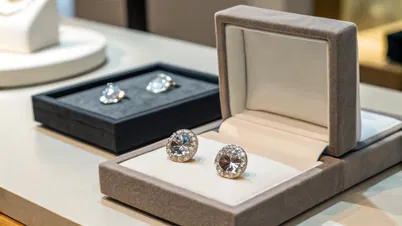
The appeal of lab made diamonds extends beyond ethical considerations. These stones are chemically identical to natural diamonds, and many experts in gemology point out that they exhibit the same fire, brilliance, and hardness that people expect from traditional gemstones. Moreover, individuals who select lab made diamonds often appreciate the opportunity to customize their jewelry with unique cuts and sizes without stretching their budget. Because lab made diamonds can be produced more efficiently, the cost savings are frequently passed on to consumers. This accessibility allows more people to enjoy high-quality jewelry while still aligning with their personal values and style preferences. As design trends evolve, the flexibility inherent in these creations opens doors to truly bespoke work that was once reserved for the elite.
Comparing Ethical and Environmental Impacts
One of the most compelling reasons consumers choose lab made diamonds relates to environmental consciousness. Traditional diamond mining can involve significant land disturbance, energy consumption, and complex supply chains. By contrast, selecting lab made diamonds can reduce some of these impacts, as they are created in laboratory settings designed to minimize waste and energy usage. Many purchasers also consider the social implications of gemstone origin, and in this regard these alternatives often provide greater peace of mind. While some critics argue that laboratory production is not without environmental cost, many sustainability advocates emphasize the relative benefits of these innovations. When comparing options, it’s important for buyers to research and evaluate the full lifecycle of the gemstones they consider, including energy sources, production practices, and post-purchase support for recycling or resale.
Cost and Value: Is it Worth It?
A major advantage that tempts consumers to buy lab diamonds is cost savings. On average, these gemstones cost less per carat than similar natural diamonds. This price difference allows individuals to select larger stones or more elaborate settings without exceeding their budget. Yet, beyond price, value encompasses long-term satisfaction: many shoppers report that once they incorporate lab grown alternatives into their collections, they are pleased with the quality they receive for the price. Ultimately, deciding to make a purchase involves balancing financial considerations with personal priorities, including design preferences and ethical commitments. The question of worth is deeply personal, and financial flexibility can influence that judgment just as much as aesthetic or moral preferences.
Quality and Certification
When exploring any gemstone purchase, whether a traditional or alternative type, understanding certification standards is key. Independent laboratories grade gemstones based on criteria like cut, color, clarity, and carat weight. Certified reports provide assurance about quality and characteristics, offering buyers detailed insights into the attributes of the gem they’re considering. Many jewelers also offer warranties and detailed documentation that explain treatment history and performance expectations. Educated buyers feel more confident knowing they have reliable information about their investment. In this context, transparency becomes not just a buzzword but a practical tool that empowers consumers to compare stones objectively, ask informed questions, and feel secure in their choices.
How to Choose the Right Jeweler
Selecting a reputable jeweler makes a significant difference when acquiring any gemstone. Start by reviewing customer testimonials and asking about return policies and repair services. A trustworthy jeweler should clearly explain their sourcing practices and certification processes. Whether you prioritize sustainability or price, open communication ensures your expectations align with the final purchase experience. Educating yourself about gemstone options, including innovations in the industry, helps you form questions that lead to informed decisions. Visiting multiple showrooms, asking to see certification documents, and understanding after-sale care can turn a potentially overwhelming decision into a rewarding journey. The right professional guidance often transforms what could be a transactional experience into a memorable milestone.
Future Trends in Gemstone Demand
Looking ahead, industry analysts predict continued growth in interest for sustainable and innovative gemstone options. As consumer awareness increases, the market evolves to offer ever more choices that reflect diverse preferences. This shift also encourages traditional suppliers to reconsider their practices and adopt more transparent approaches. Emerging technologies in materials science may further expand what’s possible, blending performance with aesthetics in entirely new ways. Ultimately, jewelry fashions adapt over time, shaped by cultural trends and values that emphasize ethical sourcing and environmental stewardship. These broader changes suggest that the conversation around gemstones will remain dynamic, inviting ongoing dialogue between creators and consumers.
Conclusion: Making an Informed Decision
The decision to buy gemstones, whether from traditional mines or modern environments, involves weighing a variety of factors. For many, the option of alternative gemstones provides a compelling combination of quality, value, and ethical alignment. As you explore the world of fine jewelry, consider what matters most to you—whether that is provenance, aesthetics, or sustainability. Armed with knowledge and clear priorities, you can confidently select gemstones that resonate with your values and stand the test of time.